
In the ever-evolving landscape of packaging solutions, bubble mailers have emerged as a popular choice for businesses and consumers alike. These lightweight, padded envelopes are designed to protect fragile items during shipping, making them an essential tool in the logistics and e-commerce sectors. As online shopping continues to surge, understanding the global usage rate of bubble mailers becomes increasingly important for manufacturers, retailers, and environmental advocates.
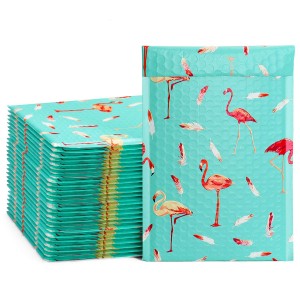
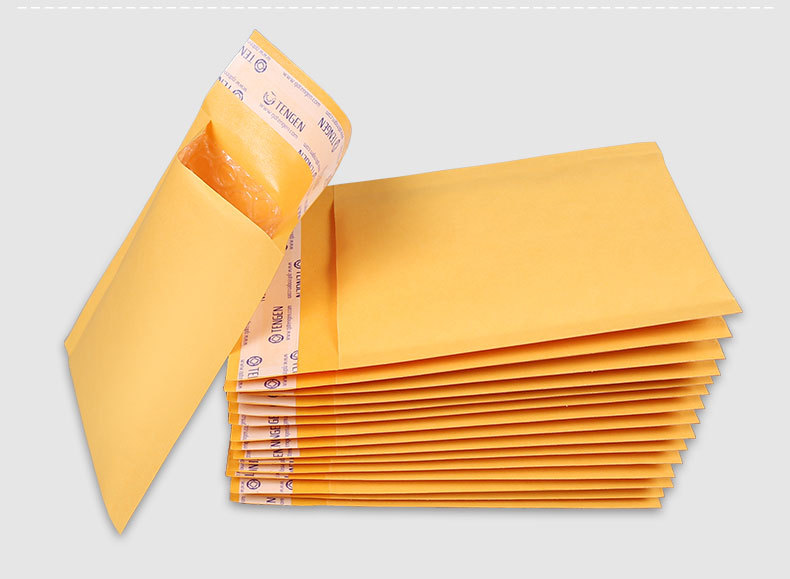
Bubble mailers, often made from a combination of paper and plastic, feature an inner layer of air-filled bubbles that provide cushioning for items such as electronics, jewelry, and other delicate products. Their lightweight nature not only reduces shipping costs but also minimizes the carbon footprint associated with transportation. This combination of efficiency and protection has led to a significant increase in their usage across various industries.
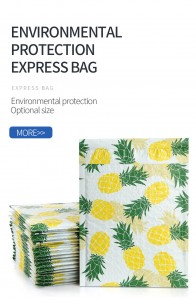
According to recent market research, the global bubble mailer market has been experiencing steady growth. In 2022, the market was valued at approximately $3 billion, with projections indicating a compound annual growth rate (CAGR) of around 5% through 2030. This growth can be attributed to the rise of e-commerce, which has transformed the way products are packaged and shipped. As more consumers turn to online shopping, the demand for reliable and efficient packaging solutions like bubble mailers has skyrocketed.
In terms of global usage rates, North America and Europe are currently the largest markets for bubble mailers. The United States, in particular, has seen a significant uptick in the adoption of bubble mailers, driven by the booming e-commerce sector and the need for secure shipping options. Major retailers and small businesses alike have recognized the benefits of using bubble mailers, leading to a higher volume of shipments packaged in these protective envelopes.
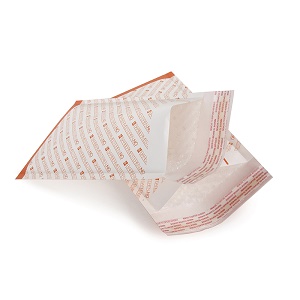
Asia-Pacific is also emerging as a key player in the bubble mailer market. With the rapid growth of online shopping in countries like China and India, the demand for effective packaging solutions is on the rise. As logistics networks improve and more consumers gain access to e-commerce platforms, the usage rate of bubble mailers in this region is expected to increase significantly.

However, the rise in bubble mailer usage is not without its challenges. Environmental concerns surrounding plastic waste have prompted many companies to seek sustainable alternatives. While traditional bubble mailers are often made from non-biodegradable materials, manufacturers are now exploring eco-friendly options, such as biodegradable bubble mailers made from plant-based materials. This shift towards sustainability is likely to influence the global usage rate of bubble mailers in the coming years.
In conclusion, bubble mailers have become an integral part of the global packaging landscape, driven by the growth of e-commerce and the need for secure shipping solutions. With a market value projected to reach $4.5 billion by 2030, the usage rate of bubble mailers is expected to continue its upward trajectory. As businesses strive to balance efficiency with environmental responsibility, the future of bubble mailers may see a shift towards more sustainable practices, ensuring that they remain a viable option for packaging in a rapidly changing world.
Post time: Nov-03-2026